Preparing An Outline
What is an outline?
An outline is an abbreviated picture of the parts of your paper or project and the order in which they will come. You can think of it as a "road map" of your journey toward making a final product.
Using an outline can help you organize your material and can also help you discover connections between pieces of information that you weren't aware of when you first conceived the plan of your paper. It can also make you aware of material that is not really relevant to the purposes of your paper or material that you have covered before and should therefore be removed.
Outlines can be organized according to your purposes. Are you attempting to show the chronology of some historical development, the cause-and-effect relationship between one phenomenon and another, the process by which something is accomplished, or the logic of some position? Are you defining or analyzing something? Comparing or contrasting one thing to another? Presenting an argument (one side or both)?
The working outline can be revised as you discover new material and get new ideas that ought to go into your paper. A Final Outline should enhance the organization and coherence of your research paper.
Why do we need an outline?
It helps you to...
- stay on course and not get off-track when you put your final product together.
- see if you have enough (or too much) material to support your research statement.
- figure out the order in which your subtopics will appear in your final product.
An outline might be just for your own use, or your advisor may require that you hand it in while you are working on your project, so they can get an idea of where you are headed. It gives them a chance to help you head towards a good final destination.
How do we prepare an outline?
- Figure out the most logical flow of information, the best order for the information to be in, using the subtopics you created earlier. You can put your note cards in this order now. There is always more than one way to do this, so figure out what you like best.
- Put your subtopics with the key points that support them, in words or short phrases, into a list or diagram that shows how they will flow from beginning to end.
- Start with an introduction and end with a conclusion
Click here to view Previous Research Topics
Click here to view an Example Outline
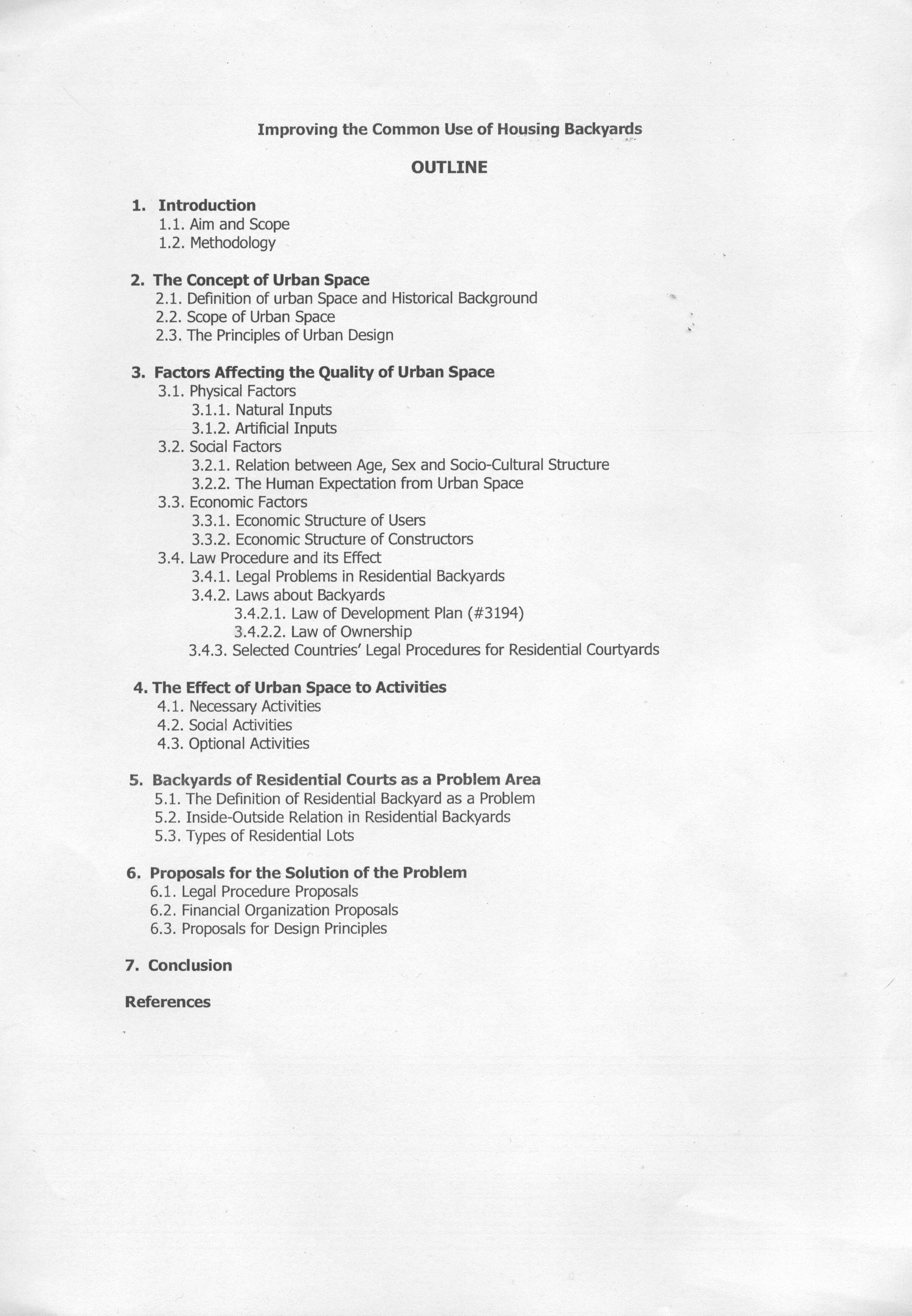
Click here to view an Example Outline (A)
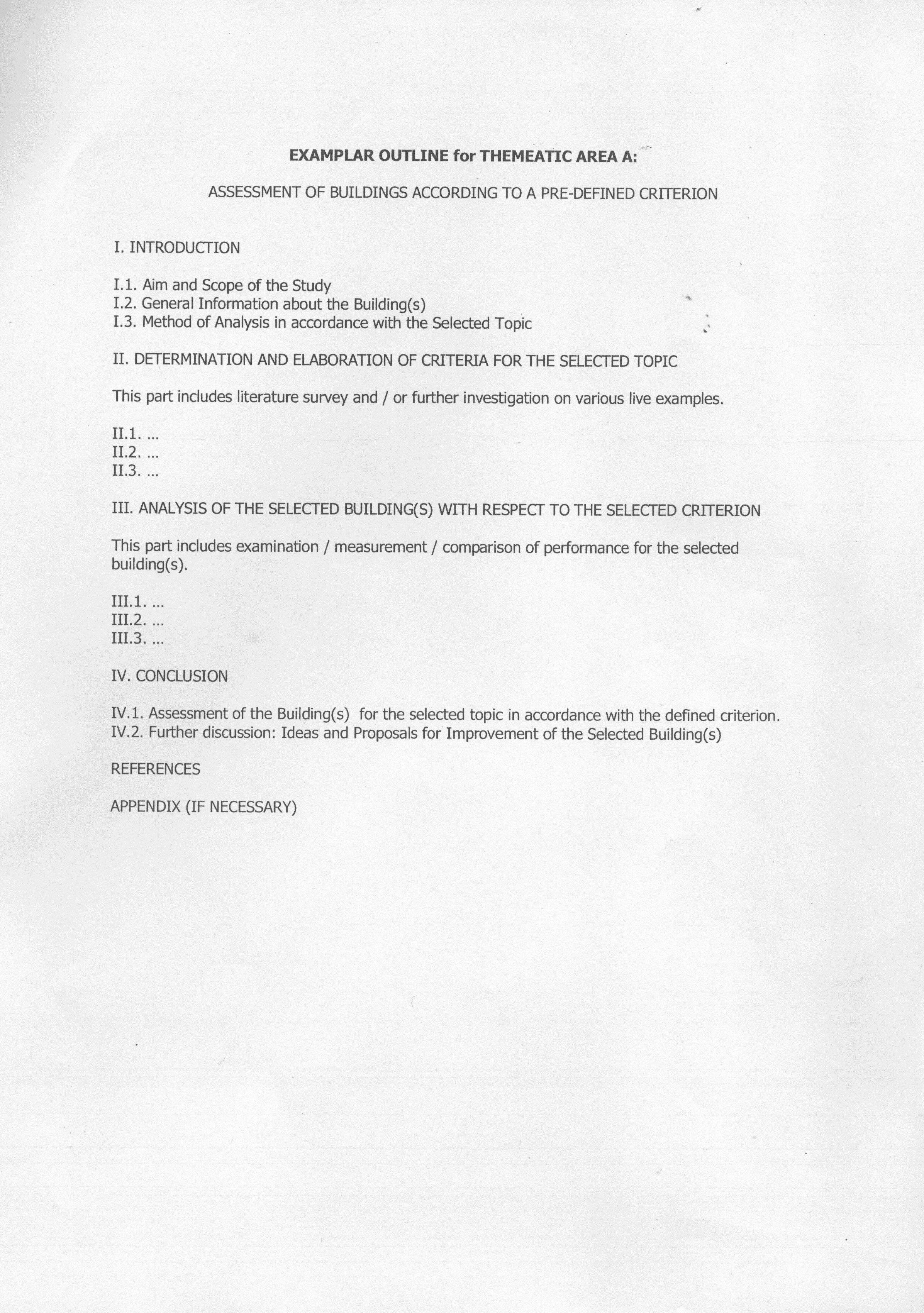
Click here to view an Example Outline (B)
Click here to view an Example Outline (C)
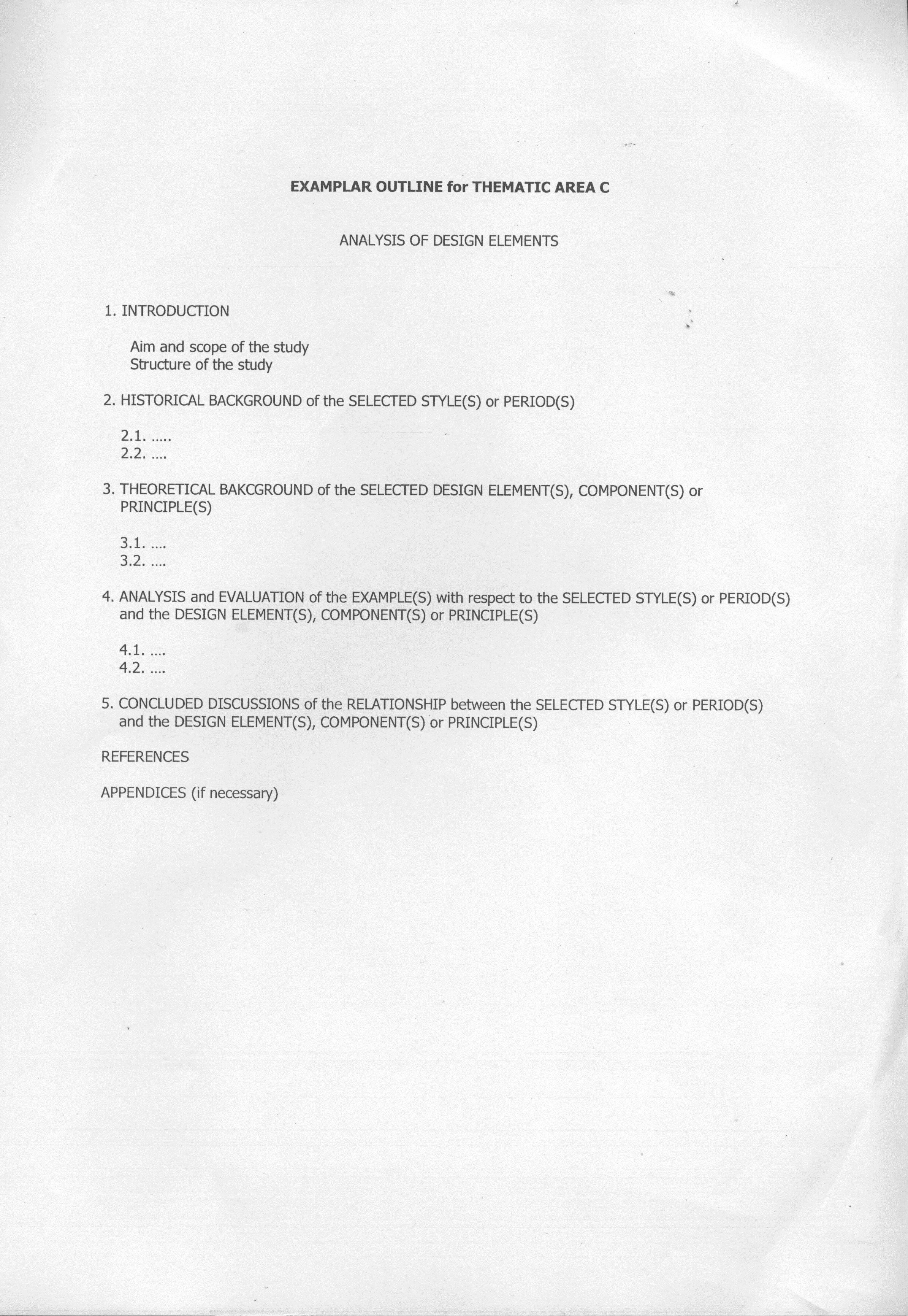
Click here to view a How to write an Introductory Chapter
Click here to view the Manuscript Writing Format (APA Style)
Click here to download the Powerpoint Presentation on APA Style & Report Writing Format